
If you stay long enough in rooms where learning happens – classrooms, youth centres, training halls with bad coffee and hopeful flipcharts – you will eventually hear the same sentence uttered with a mixture of frustration and resignation:
“They are not motivated…”
It sounds like a diagnosis. Like something missing. A broken internal mechanism that refuses to start.
But motivation is rarely absent. More often, it’s hiding behind fear of looking foolish, mental exhaustion, confusion that feels embarrassing or the quiet belief that effort will not matter anyway, because life has already proven that outcomes are rarely fair.
Motivation is not a personality trait, charisma, excitement, pressure, talent, reward, discipline or control. And it definitely isn’t magic.
It’s never constant or linear. Yet it has a pulse – like the spikes you see up and down on an EKG medical chart.
Motivation is a relationship.
It is the invisible tension between a person and a challenge, between effort and meaning, between identity and possibility. You don’t press it like a button. You enter it like a landscape. And you walk it with people.
1. The First Spark: When Experience Feels Real
Think of the last time you felt genuinely engaged in something. It was probably not because someone explained it well, but because something in you moved.
Maybe curiosity, anger or recognition. Maybe the subtle thrill of being slightly outside your comfort zone, but not yet overwhelmed. This is why experience matters.
Experience interrupts routine. It unsettles the predictable rhythm of “I already know this” and replaces it with “Something is happening here.”
But experience alone is not enough. We have all seen sessions full of movement, laughter, coloured markers and high energy – and yet, something essential was missing.
Because:
- Experience – Reflection = Entertainment
- Reflection – Application = Philosophy
- Application – Meaning = Compliance
Motivation lives in the movement between these spaces, in the slow weaving of experience into insight and insight into action. Here you can find a detailed article about these types of action – Kolb’s learning cycle, one of the basic tools in nonformal education (NFE).
2. When Motivation Disappears, Something Else Is Hurting
I once worked with a young participant who seemed entirely disengaged – eyes down, arms crossed, answers short and flat – and it would have been easy to say he lacked motivation.
But when the space softened enough for honesty, he said something simple: “I just don’t want to be the one who gets it wrong.” In that moment, the problem was not motivation, but safety.
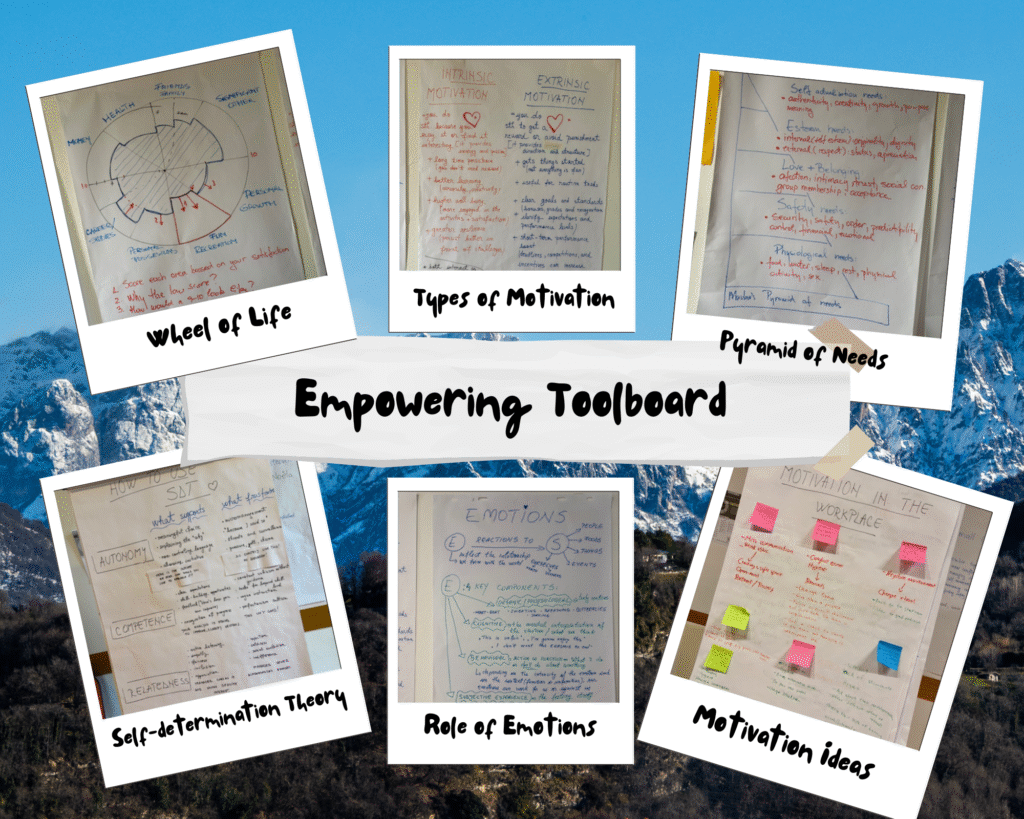
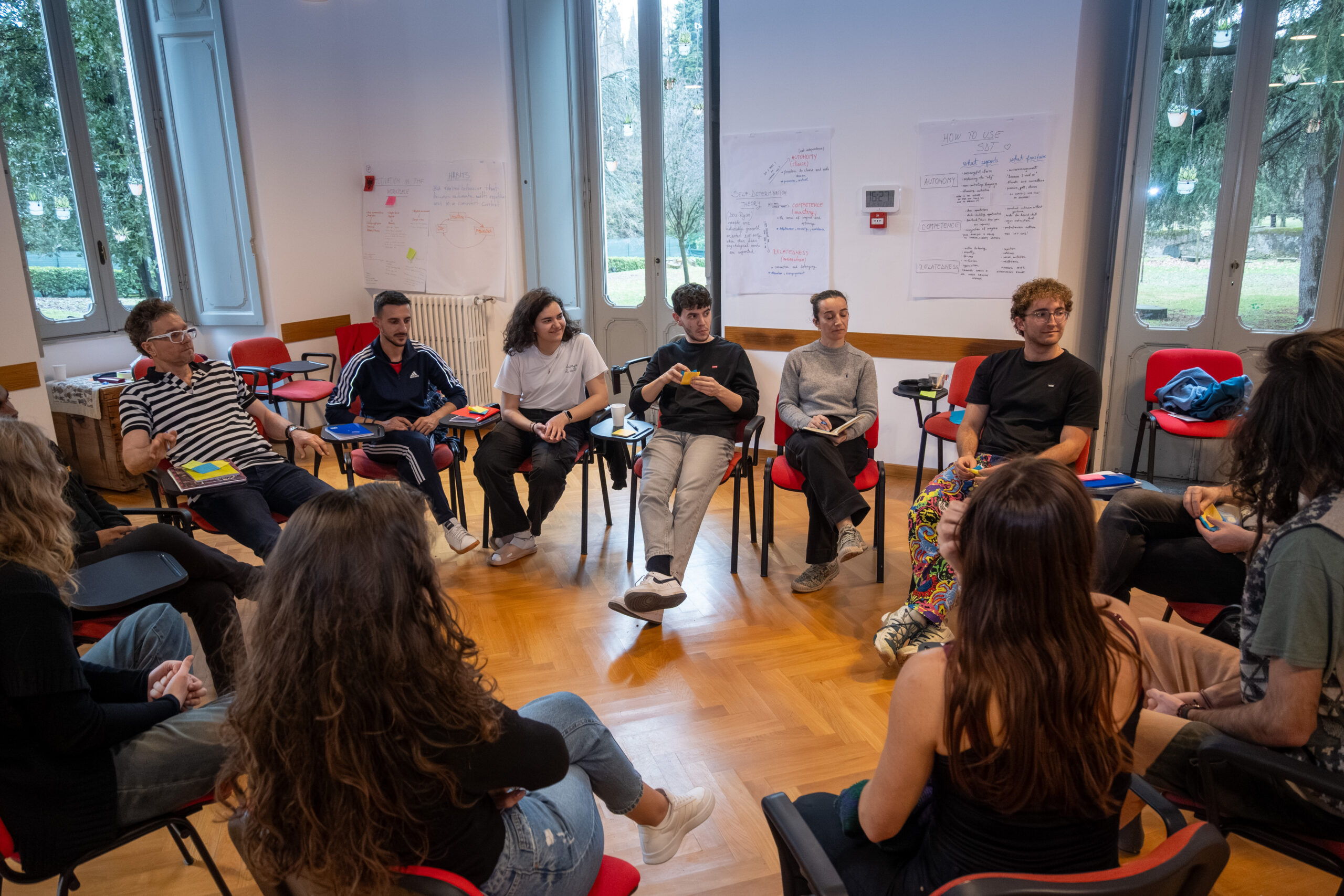
Self-Determination Theory (SDT) developed by Deci & Ryan in the 70s reveals 3 psychological needs that quietly govern engagement:
- AUTONOMY – the sense of choosing, not being pushed
- COMPETENCE – the sense that we are capable, not constantly exposed
- RELATEDNESS – the sense that we belong, not that we are being evaluated
When one of these is wounded, motivation withdraws. The quiet participant may not lack interest – they may lack safety. The disruptive participant may not lack focus – they may lack autonomy. The disengaged participant may not lack ambition – they may feel incompetent in ways they cannot articulate.
Before asking, “How do I motivate them?” try asking “Which of these needs feels threatened right now?” That question does not make us a better technician. But invites empathy in the room, either we act as peer learners or facilitators.
3. The Moment When Ownership Begins
There is a subtle turning point in every learning process and it has less to do with content and more to do with control.
When people begin to feel that their actions influence outcomes – even in small, almost invisible ways – something changes inside them. Before that moment, effort feels risky. After that moment, effort feels meaningful. This is the shift from an external locus of control (“things happen to me”) to an internal one (“I can shape what happens next”).
It does not require grand achievement, but evidence:
- A decision that altered the course of an activity.
- A suggestion that was taken seriously.
- A mistake that led to insight instead of shame.
These are small moments, but they are decisive. Motivation strengthens when people experience themselves as agents rather than passengers. And often, our quietest design choice as a facilitator – offering real choice, inviting genuine input, allowing mistakes to become data – is what creates that shift.
4. Motivation Does Not Travel in Straight Lines
Learning rarely moves in neat, upward progressions. It moves like weather – gathering intensity, losing clarity, rebuilding structure.
Reflecting again on Kolb’s learning cycle, it’s worth mentioning the model developed by Peter Honey and Alan Mumford identifying four distinct learning styles: Activists, Reflectors, Theorists and Pragmatists. Some people leap into action first and think later. Some watch carefully before stepping forward. Others need a conceptual map before they feel safe enough to move. While some only trust what they can apply immediately.
When we honour only one of these rhythms, motivation fractures.
- Too much action => chaos to the reflective learner.
- Too much theory => suffocation to the pragmatic one.
- Too much discussion => drain for the one who needs movement.
Balanced learning is not just methodological sophistication. It is respect for different ways of entering growth.
5. Beneath Motivation: The Identity Question
Especially for participants who carry histories of exclusion, failure or limited opportunity, motivation is not about the activity itself. It is about a deeper, quieter question: “Am I the kind of person who succeeds here?”
This question is rarely spoken out loud, but it shapes everything. If someone believes they do not belong in spaces of competence, then every challenge becomes a threat to their identity.
Also, self-doubt can appear anywhere, however safe the learning environment is built. Even on Erasmus+ training courses where people of various nationalities deliberately travel to experience and share together, doubt may arise. Either due to language barriers, energy level, communication preference, uncertainty about required skills in the activities or relevant experience on the topic.
To me, our motivation throughout the learning process resembles the Hero’s Journey, a framework developed in the late 40s by the American writer and scholar Joseph Campbell. By the way, my good friend, coach and trainer François Coetzee from South Africa did a fantastic job here, explaining the use of HJ framework for self-development.
In terms of motivation, back in the training room there is the call – the invitation for participants to try. Then the confusion – the moment of not knowing. After which, the inner doubt – “Maybe this is proof I am not capable.” Then comes reflection, insight and eventually the return – not just with new knowledge, but with a slightly altered self-image.
Our workshop may appear simple on the surface. However, for someone else it may be the first time to experience themselves as capable. Motivation, in that sense, is deeply personal. We need to treat it gently, pacing with our participants respectfully.
6. Small Practices That Reignite the Fire
The quick fix: “This activity is optional.” Suddenly everyone in the room gets deeply motivated – to decide very seriously whether they will participate or not.
The long fix: motivation may return not through inspiration (or possibility to opt out of the activity), but through structure.
Ask participants to name one thing they managed today, even imperfectly, and watch how quickly competence begins to reassemble itself. Offer genuine choices – pace, role, format – and notice how autonomy changes posture. Slow down after intense activities and allow silence to do its quiet work of integration. Say out loud that confusion is not evidence of inadequacy but evidence of growth.
And remind participants – gently and humorously – of the real learning cycle:
First, “I don’t understand.”
Then, “I pretend to understand.”
Next, quiet panic.
After which, reflection.
Soon, “Ohhh… now I see.”
And finally, confidence! (just in time for the next confusing activity)
That is not dysfunction, but natural development.
7. Is Motivation Magic?
Form the outside, motivation might look like magic. Yet there is a whole process behind it. Which hopefully I made a bit visible with the help of some concepts I shared in this article.
Motivation is not something you inject into people. You may have heard this joke before: How many psychologists does it take to change a bulb? It depends. The bulb needs to want to change as well.
Motivation is something that grows when people feel safe enough to risk, capable enough to persist and free enough to choose.
And sometimes our most powerful intervention is not a brilliant technique or a perfectly structured slide deck. But the mindful moment when someone looks at their own progress and thinks: “Maybe I am more capable than I believed.” And, in that silent recognition, motivation does not explode. It steadies. It roots. And it stays.
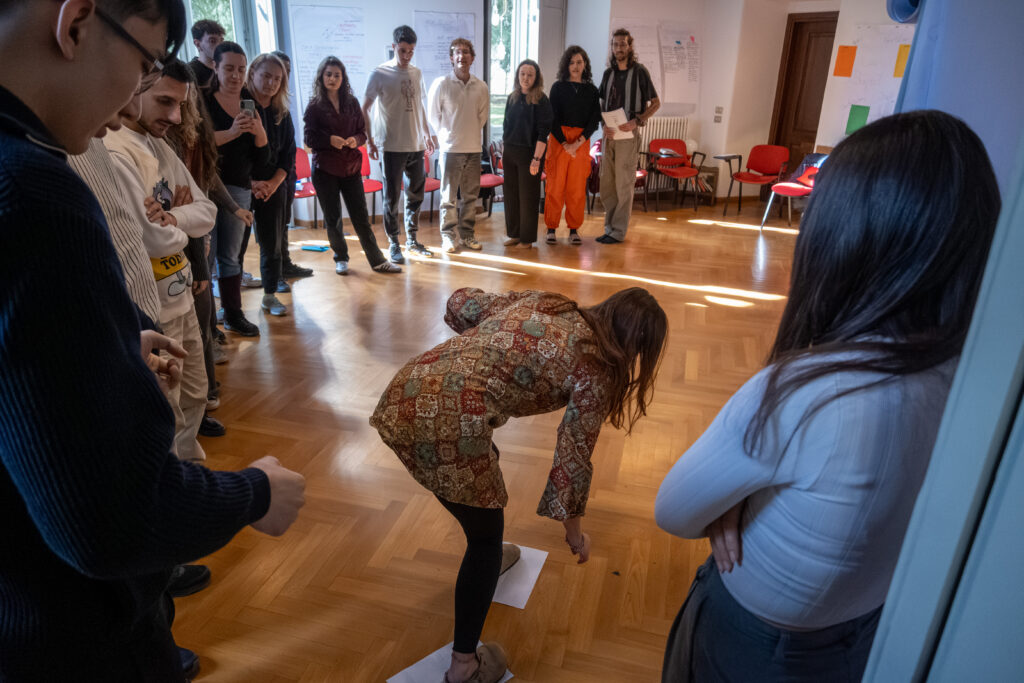
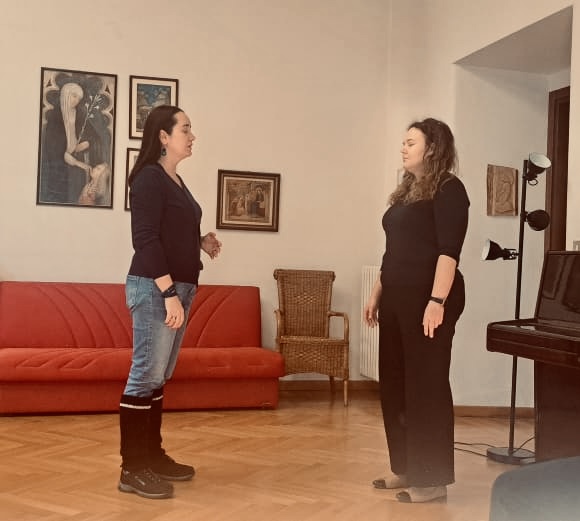
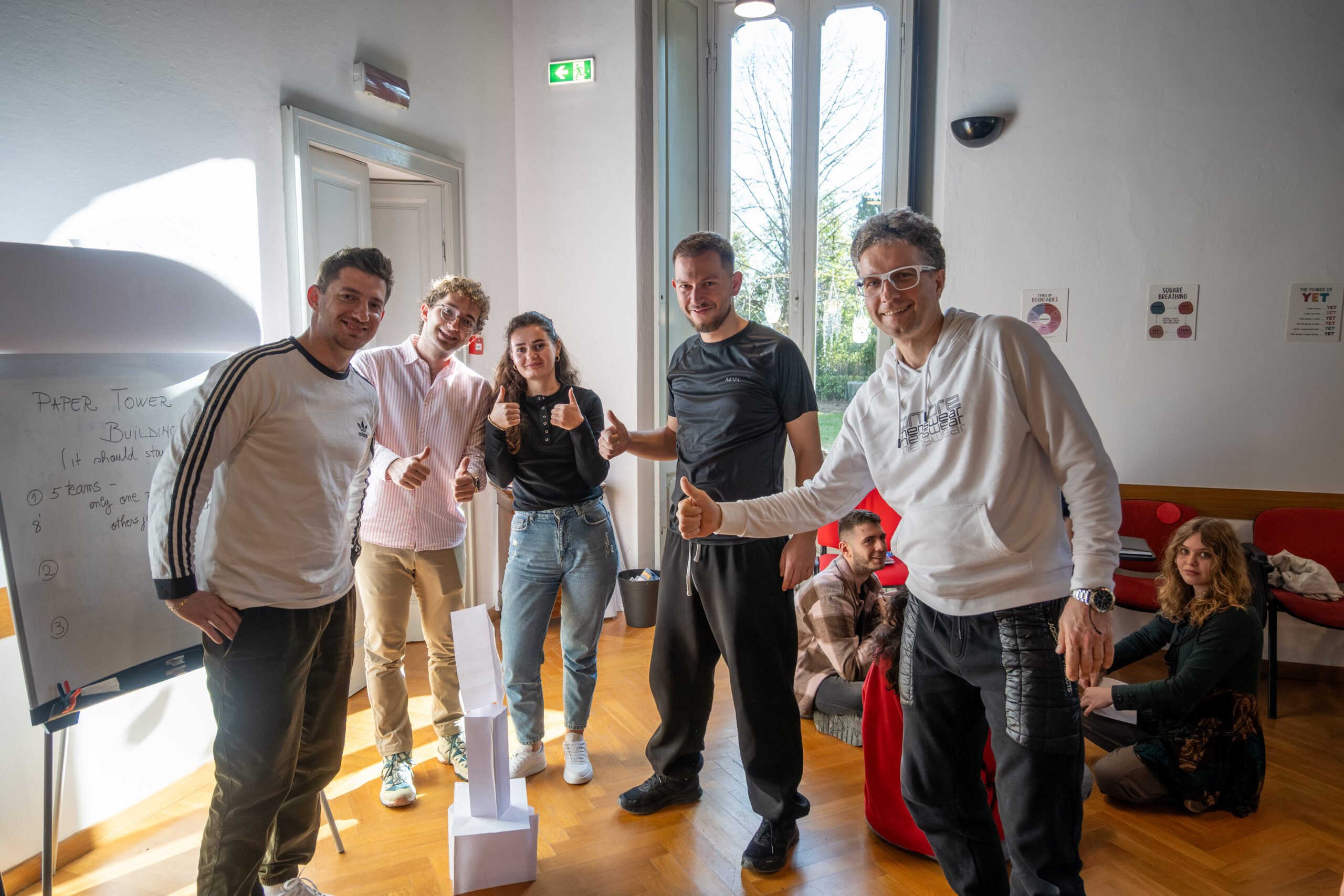
8. “How do you feel now? Highly motivated!”
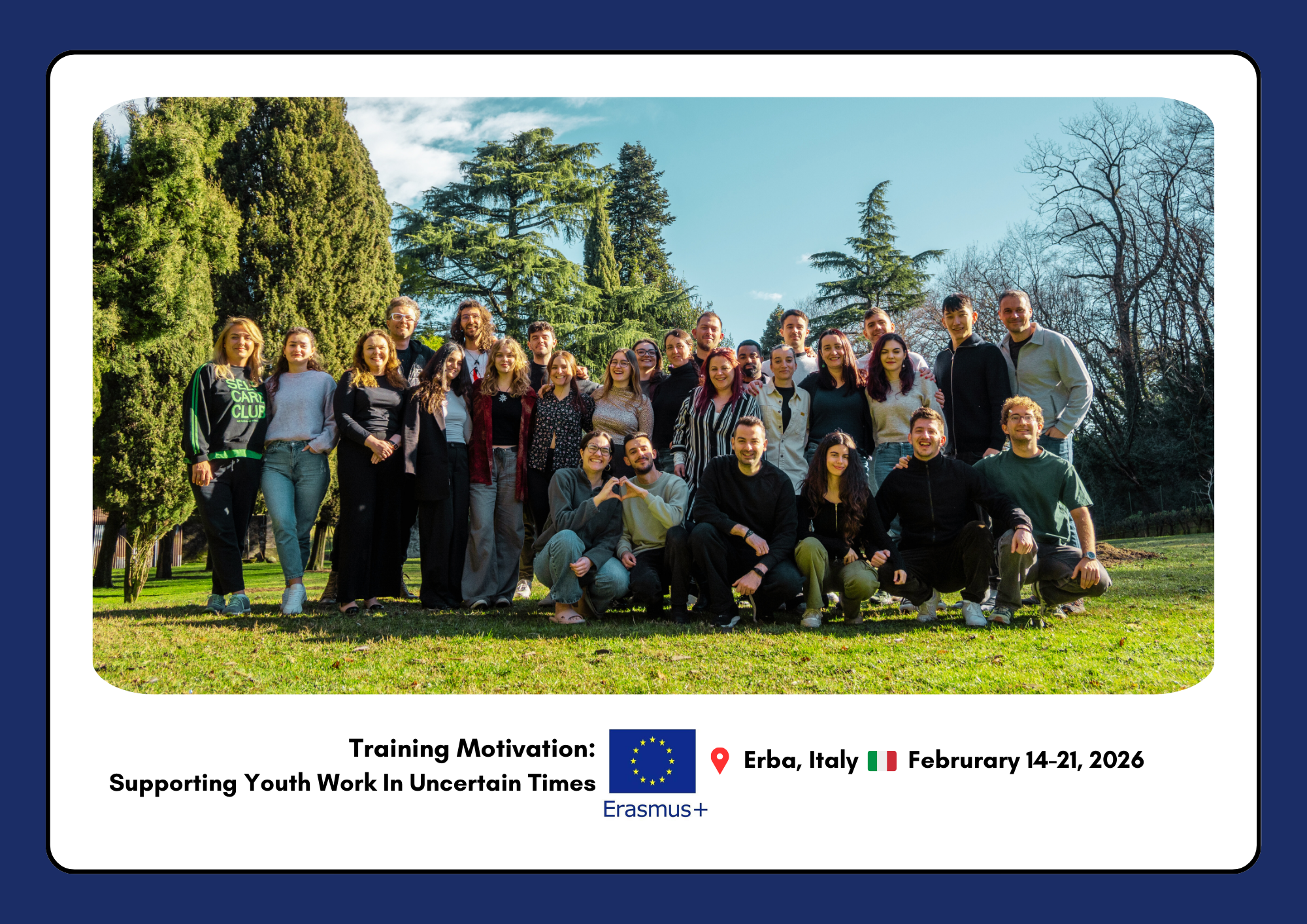
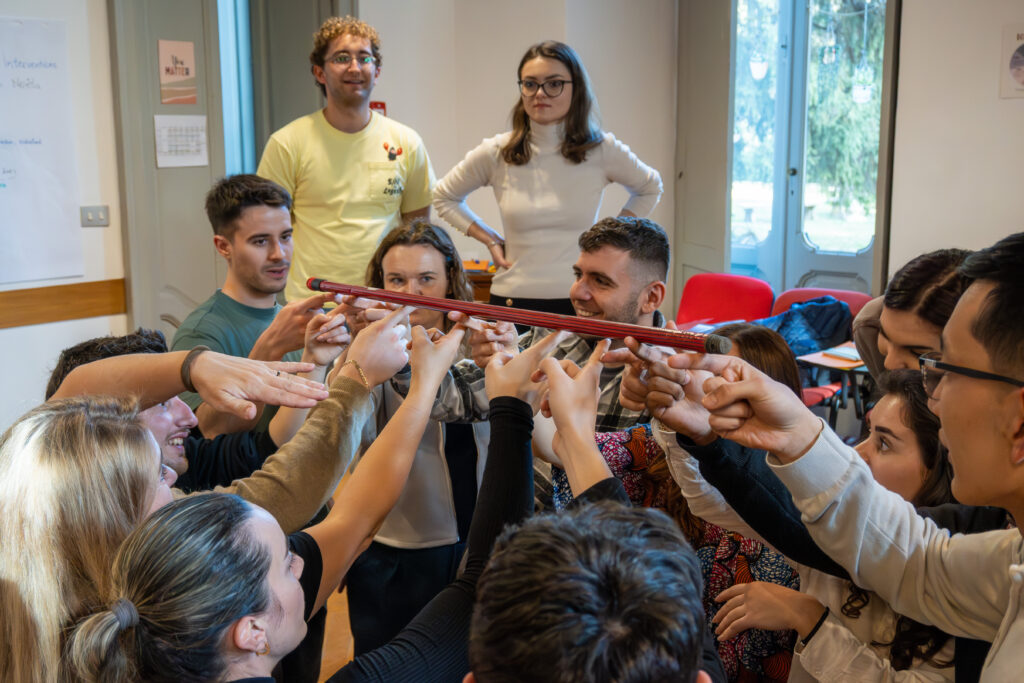
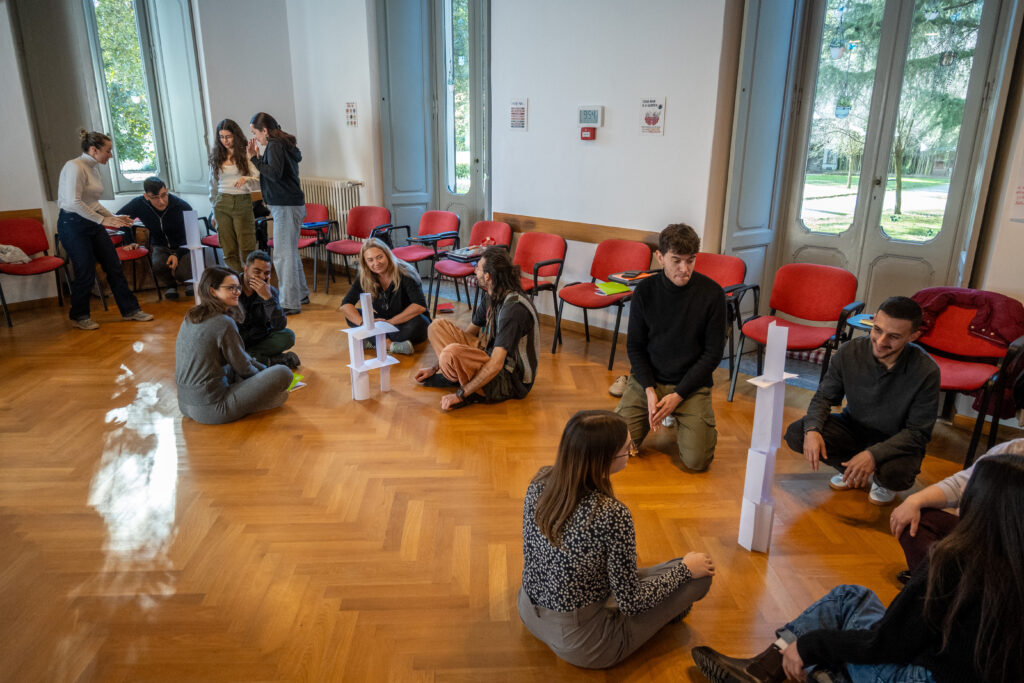
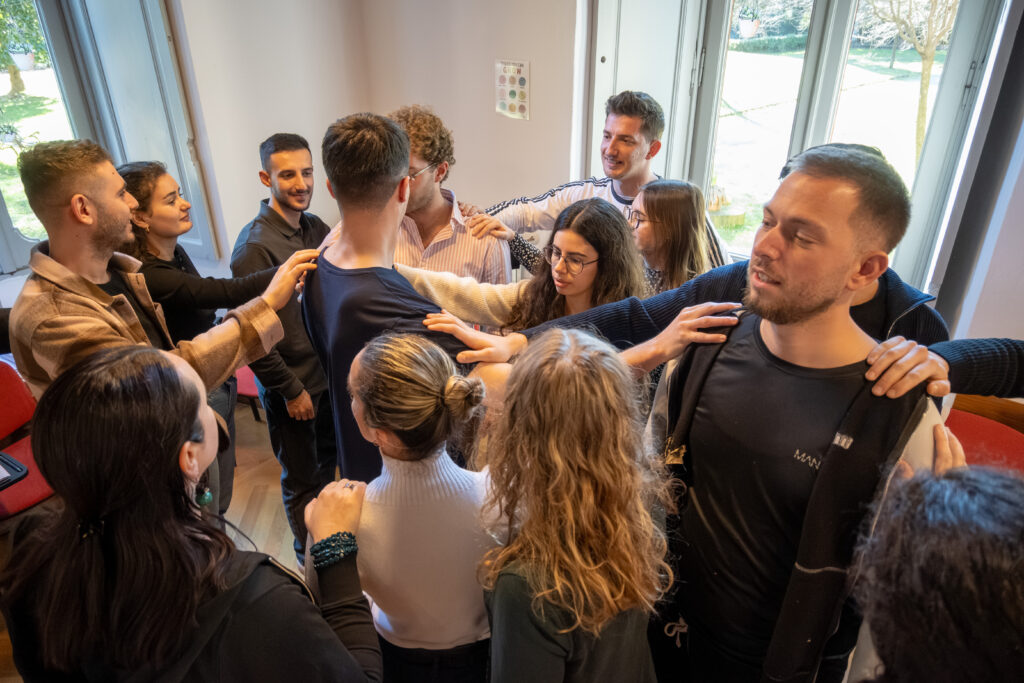
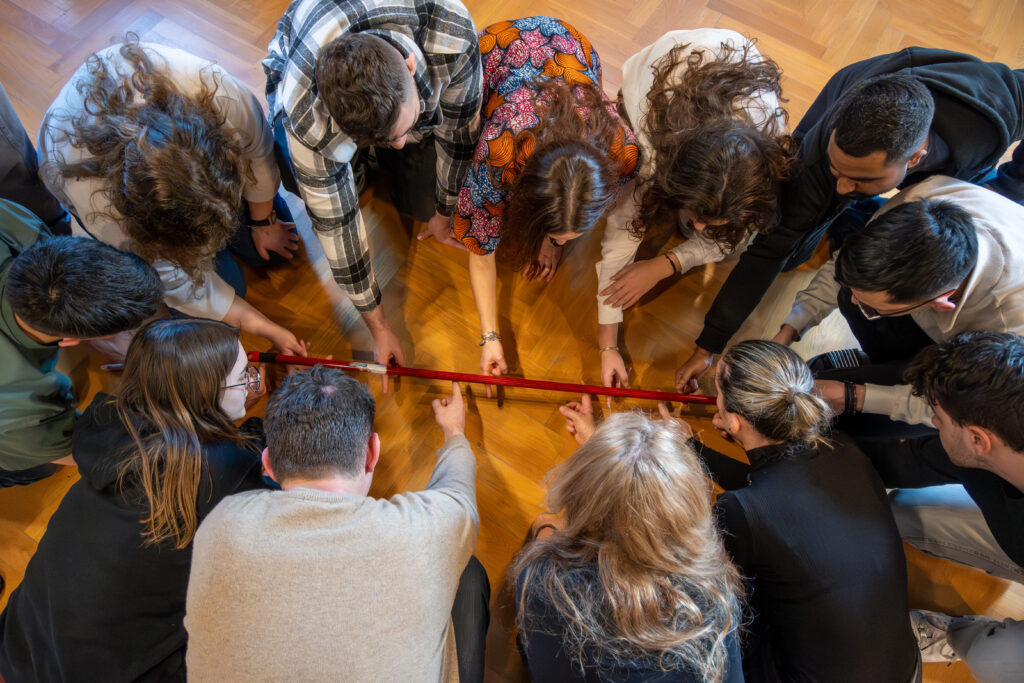
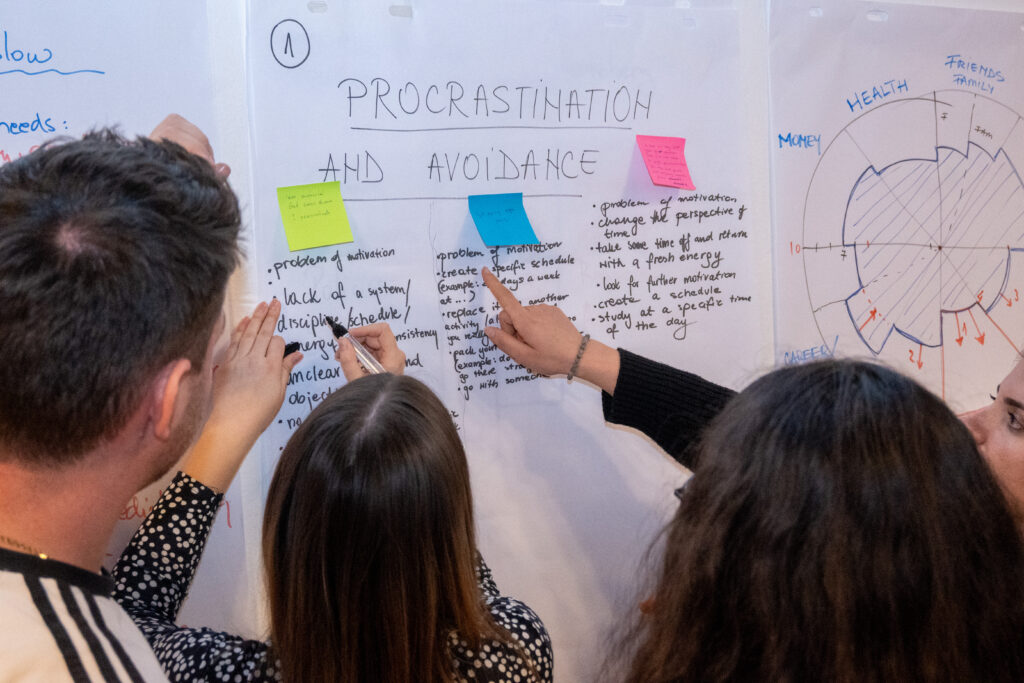
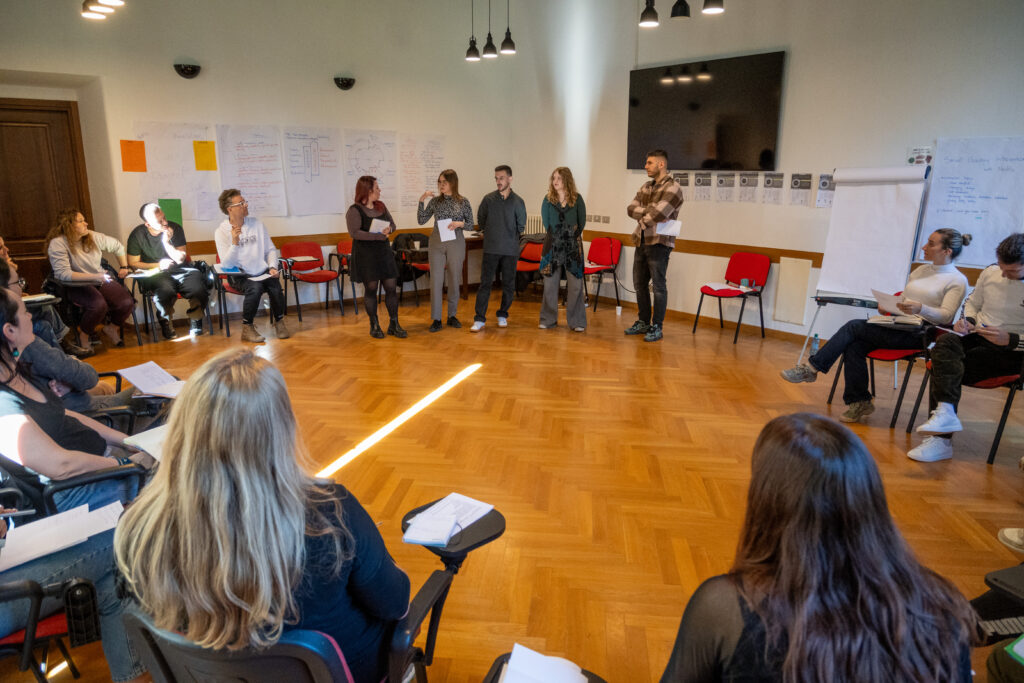
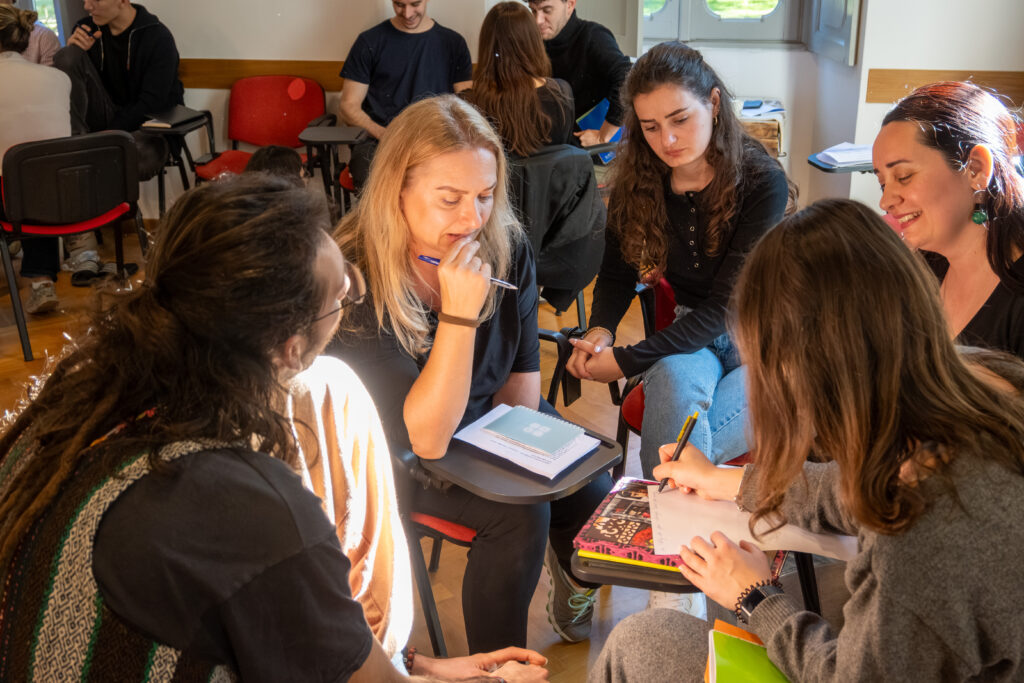
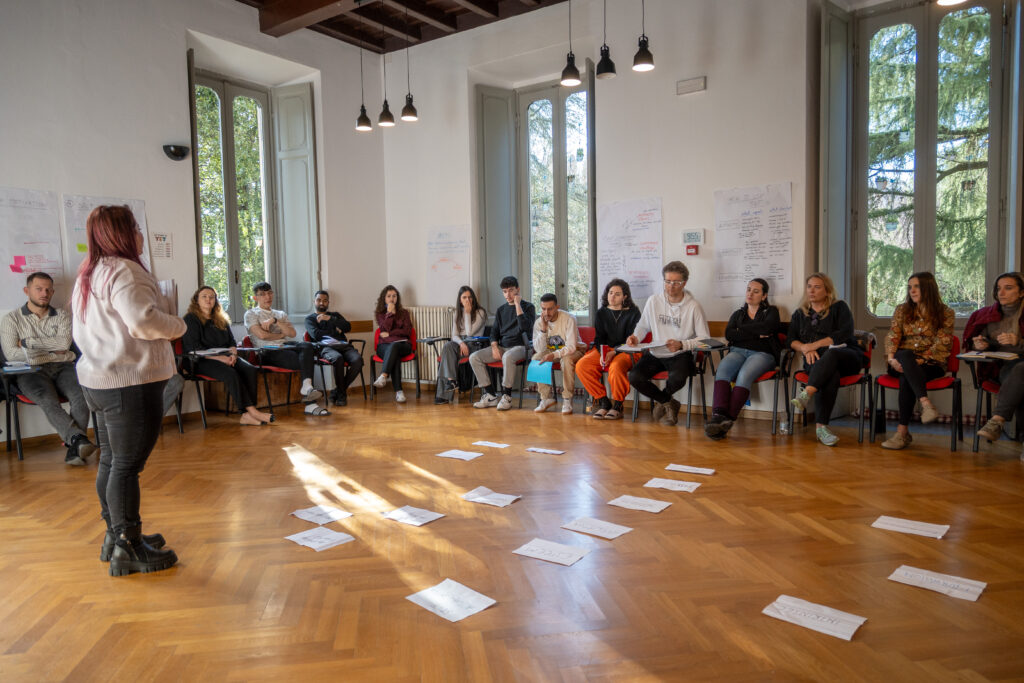
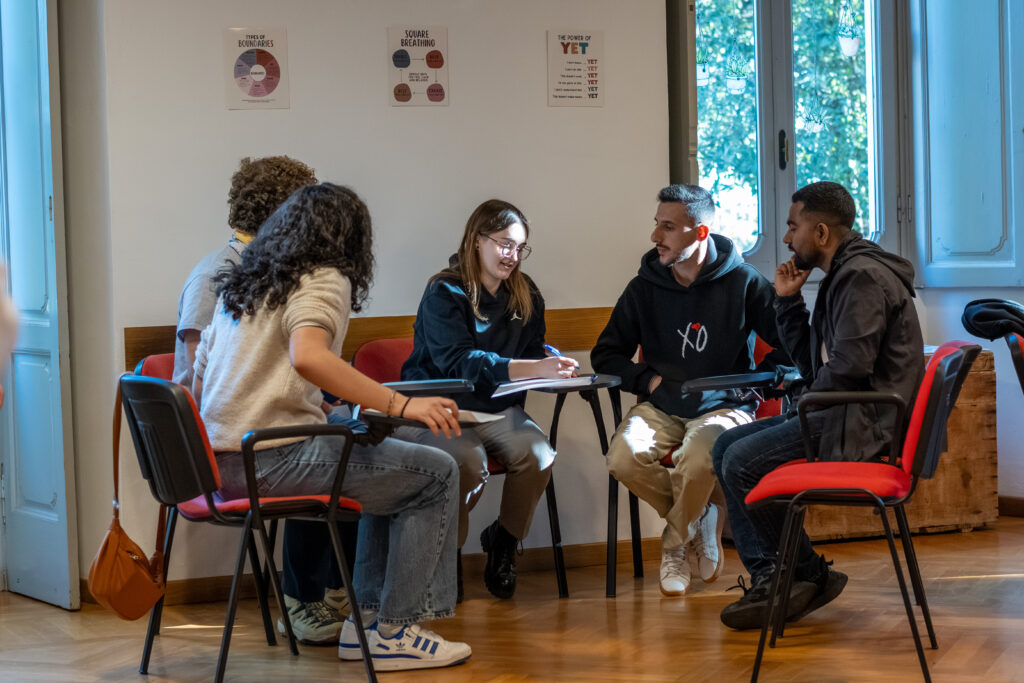
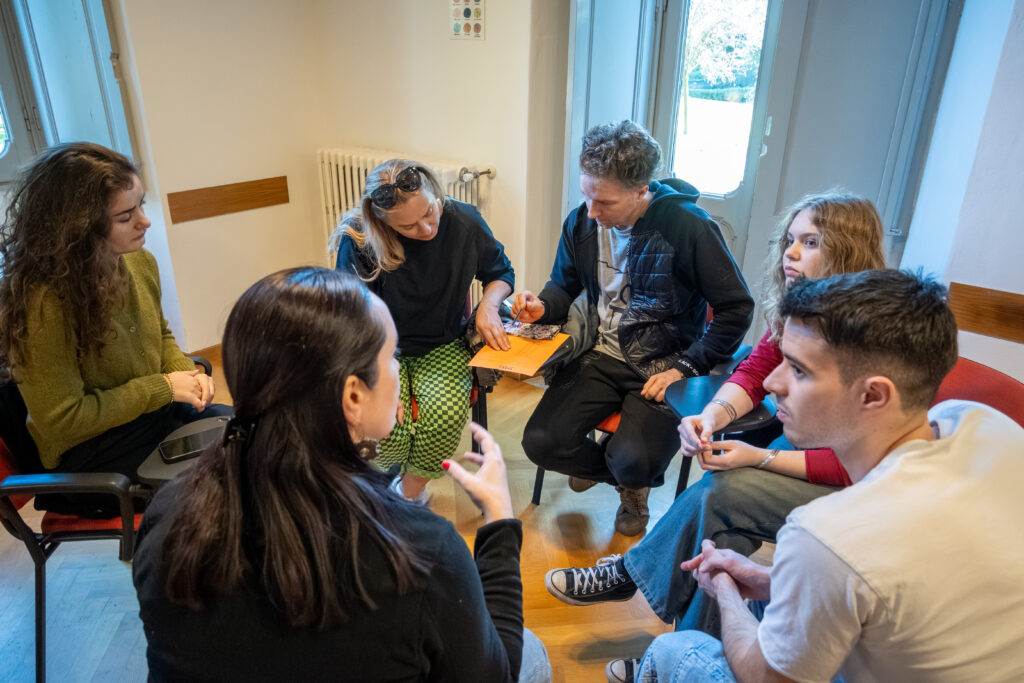
In all honesty, it would be weird not to. After all, it was a full week of insightful learning and sharing in Erba (Italy) during my 8th European Erasmus+ program, this time on the topic of motivation. As usual, I joined as both learner and contributor alongside a diverse group of 25 youth workers from 5 countries – Albania, Italy, Poland, Romania and Spain. Our aim was to boost self-motivation and grow competence in supporting other groups and individuals better manage uncertainty.
Reflecting on our learning journey, we were invited to answer one last question: why are you doing what you are doing as a profession?
For me, it has always been about the sense of joy and gratitude I feel when I support people in their learning processes: from becoming self-aware and clarifying confusion to setting a new direction or challenge the mindset with purpose. Once I learned to do this for myself (and still learn!), my mission became to build systems and support other fellow-travellers on the same quest. Structured programs, opportunities of connection or safe spaces for practice – systems that enable people grow self-leadership skills and move towards more meaningful goals, whenever they choose to do so.
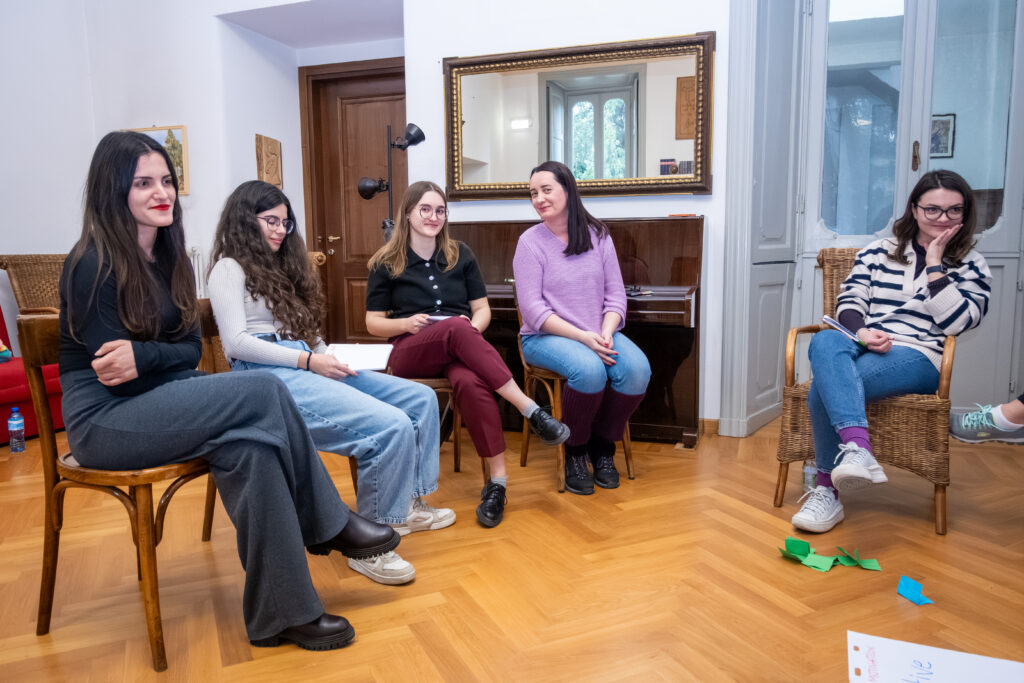
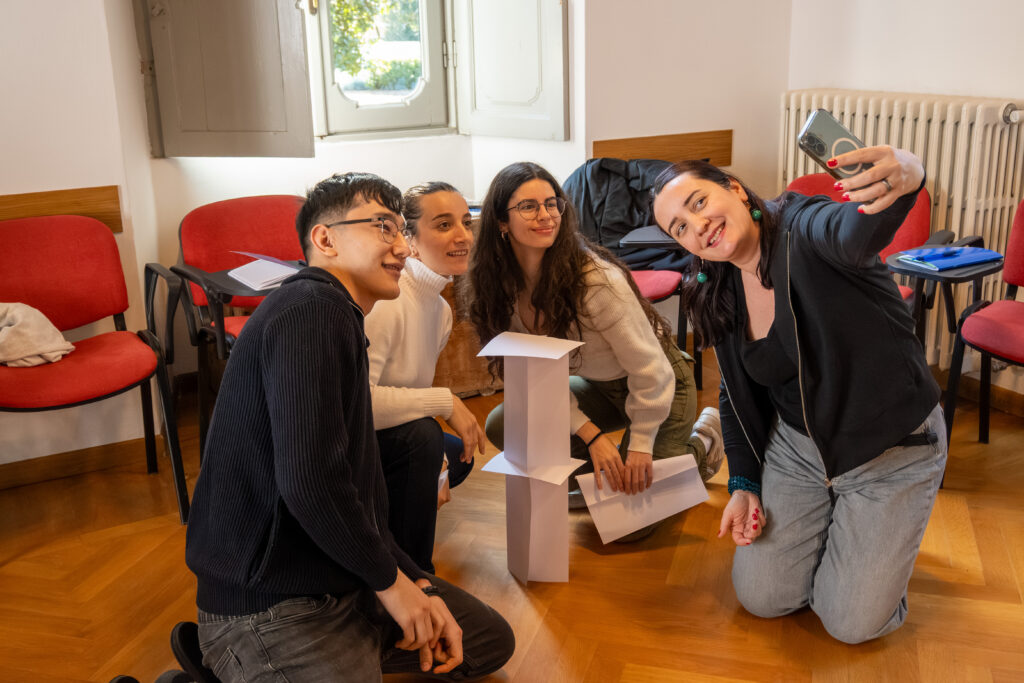
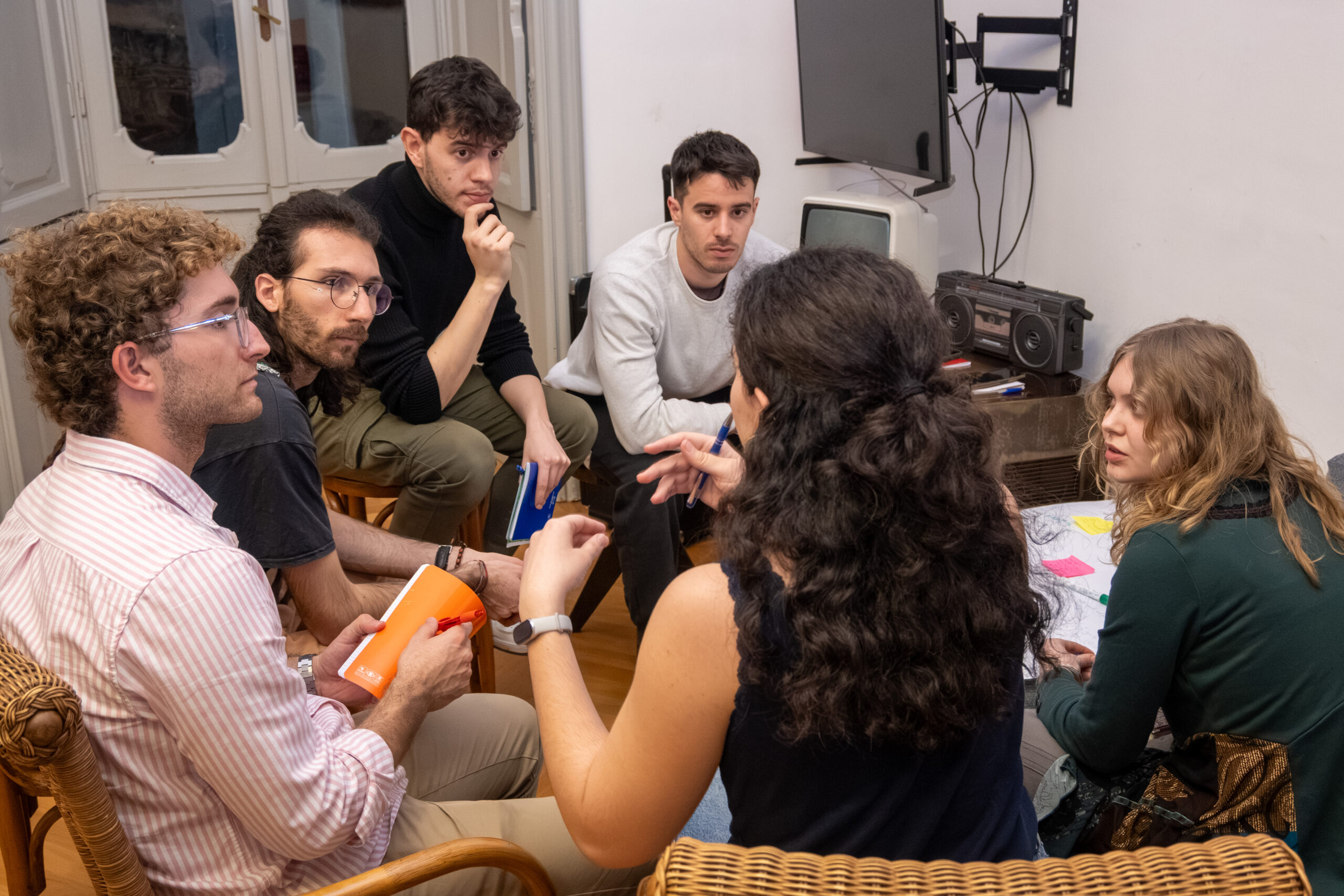
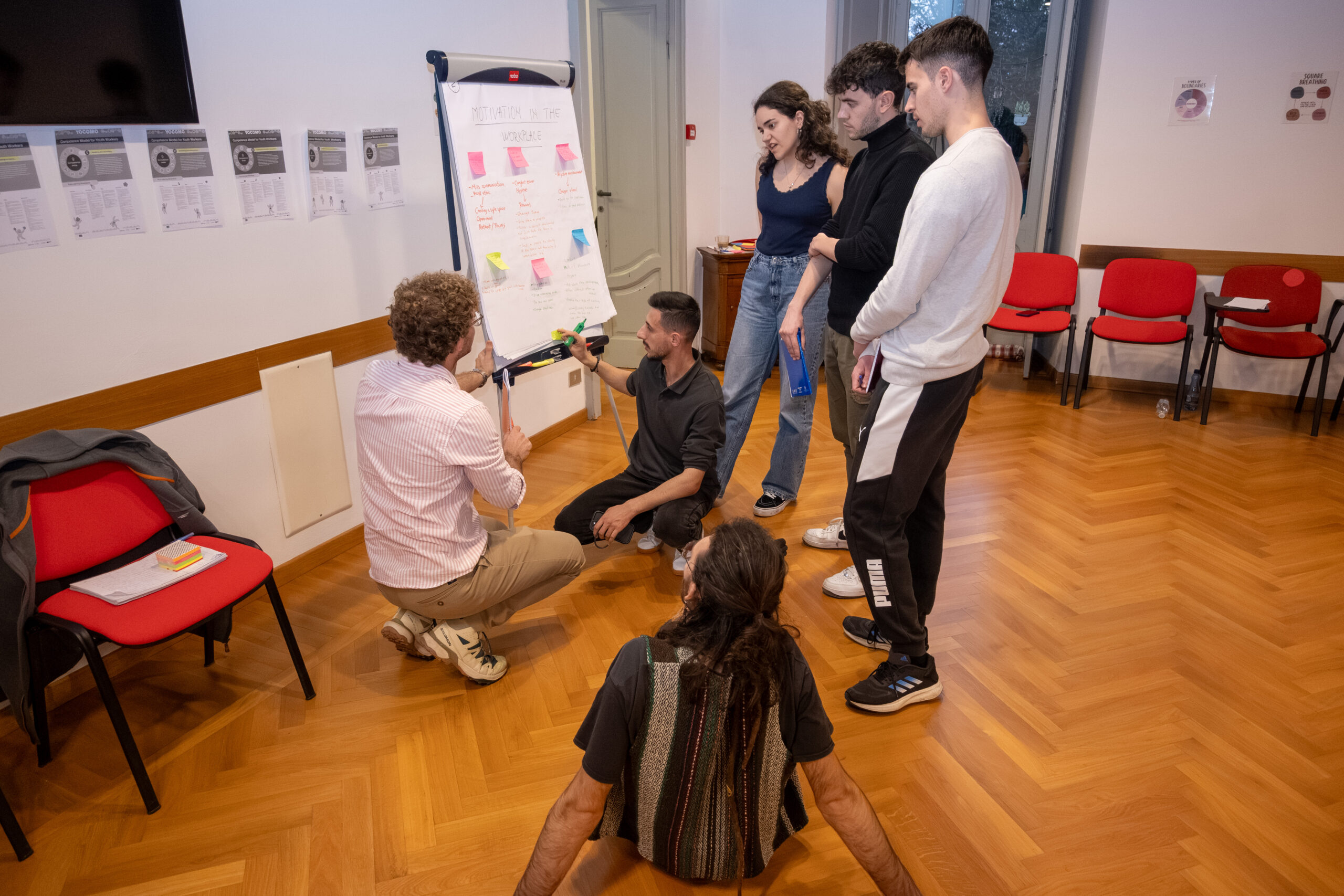
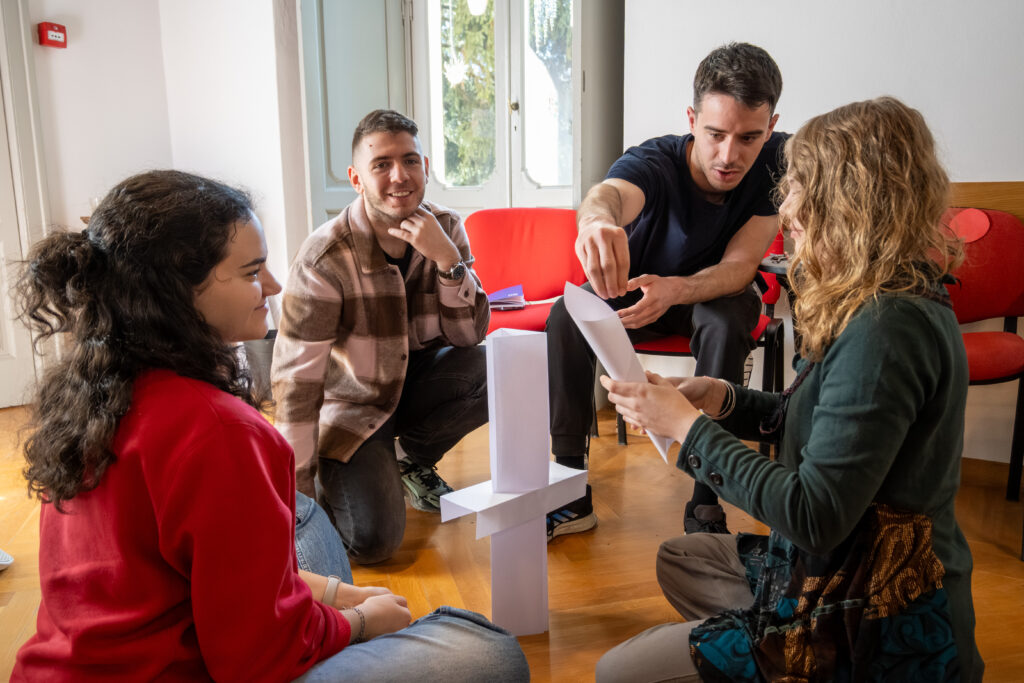
Talking about self-motivation, one of the highlights of this Erasmus+ TC was working in small teams to build a 50-minute learning experience for the other participants. Our multi-cultural team named “Hocus-Focus” consisted of four people from Albania, Poland, Romania and Spain. Here are some pro tips when facilitating learning:
1 – When your group activity involves competition, write down all the engagement rules and make them visible for everybody at all times. This way, the most competitive of participants don’t start complaining and negotiating rules during the game. And people who need more safety to boost motivation can find clarity and fairness when the game gets competitively wild.
2 – Use powerful debriefing questions to spark participants’ curiosity and deepen understanding about their learning process:
- When did you feel most focused during the activity? What was happening at the time?
- At what point did your work/ team collaboration feel energising vs. draining?
- What distracted you? How did you notice losing focus?
- How did you manage to refocus? How was that motivating for you to continue the activity?
3 – Remember to also enjoy the process – have fun while running learning sessions for others. It helps you stay present and focused, empathetic and ready to adapt when things go sideways.
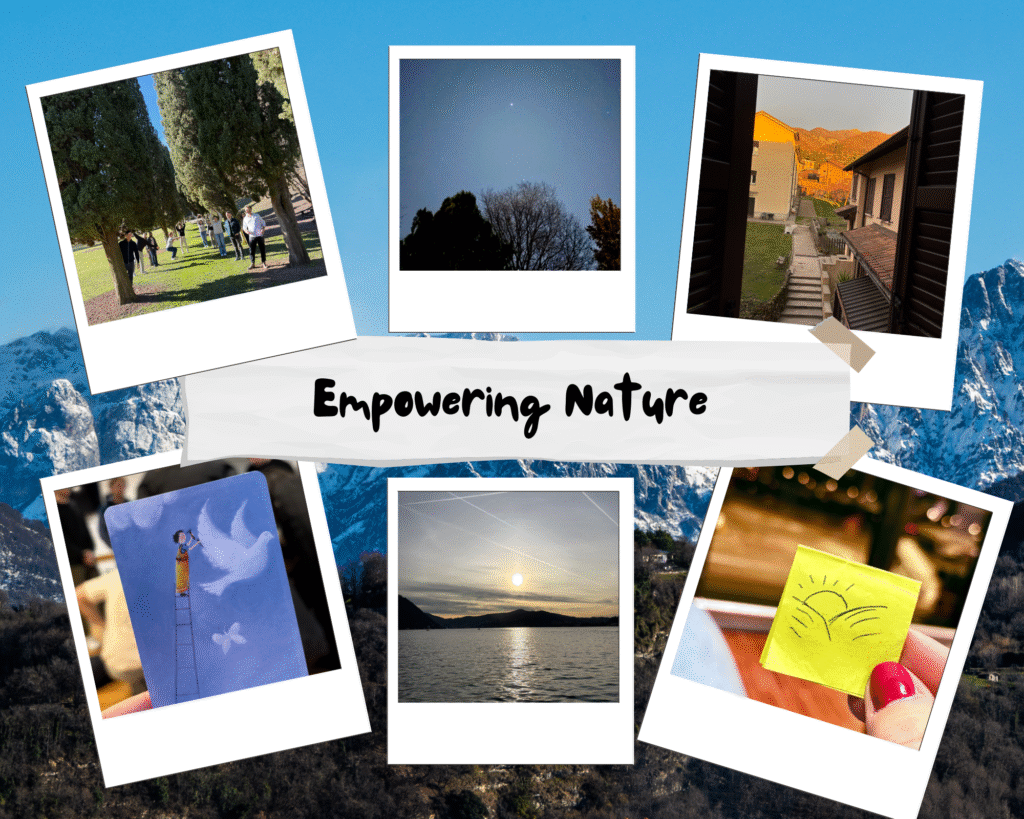
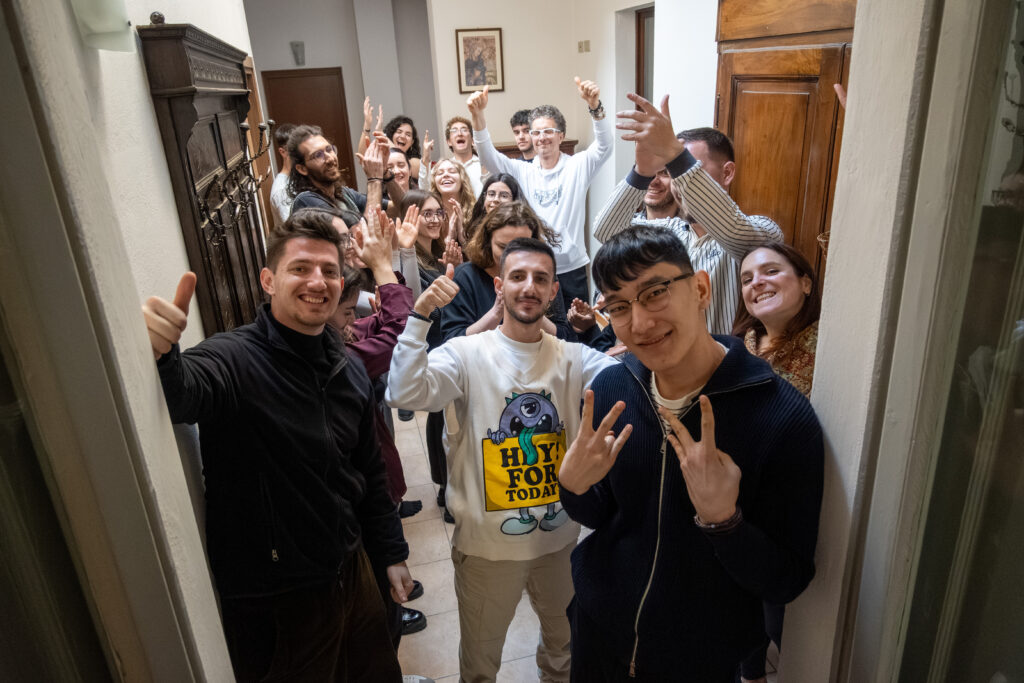
What made me join this Erasmus+ project – apart from the useful topic “Training Motivation: Supporting Youth Work in Uncertain Times” and the grounding location – was definitely the people!
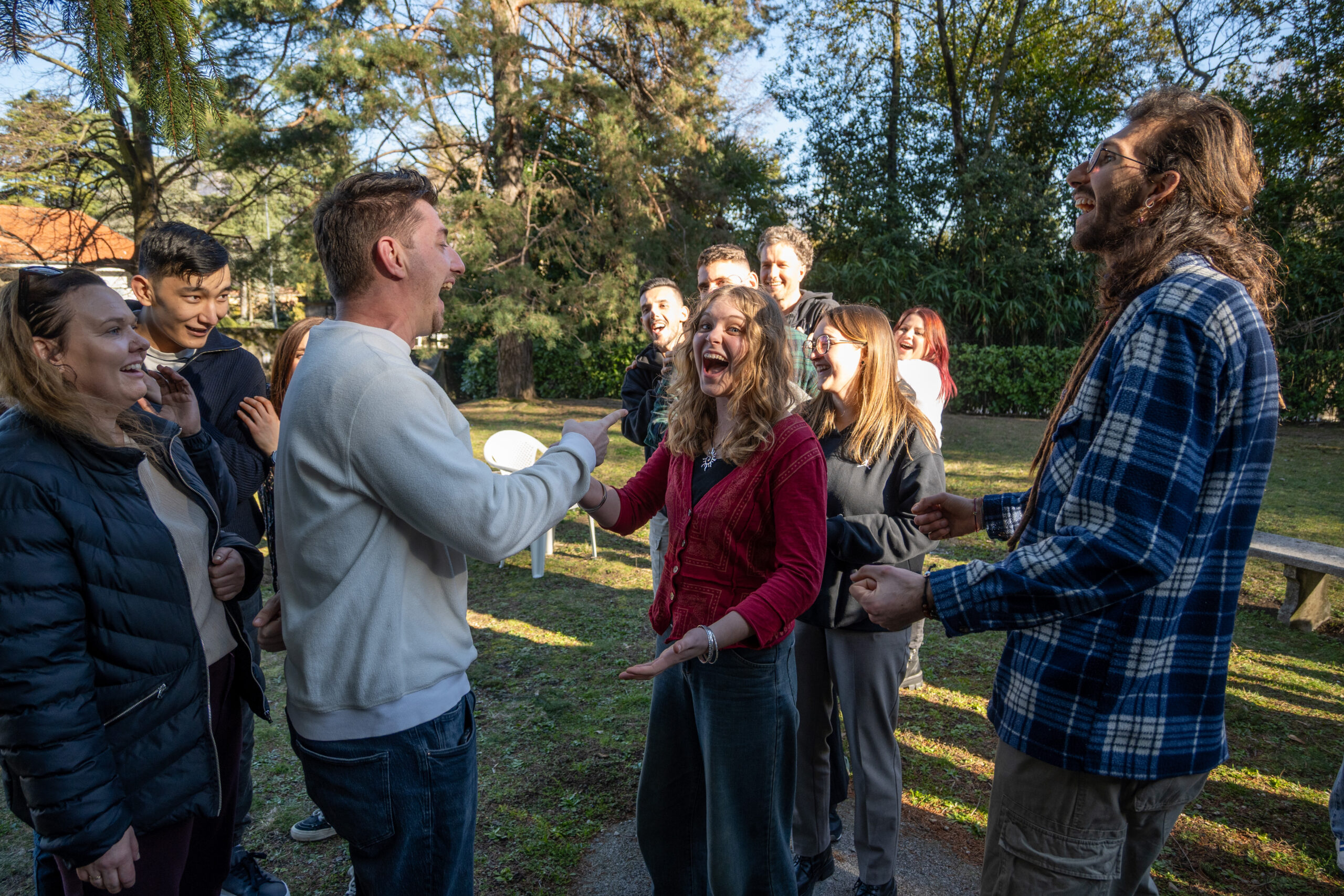
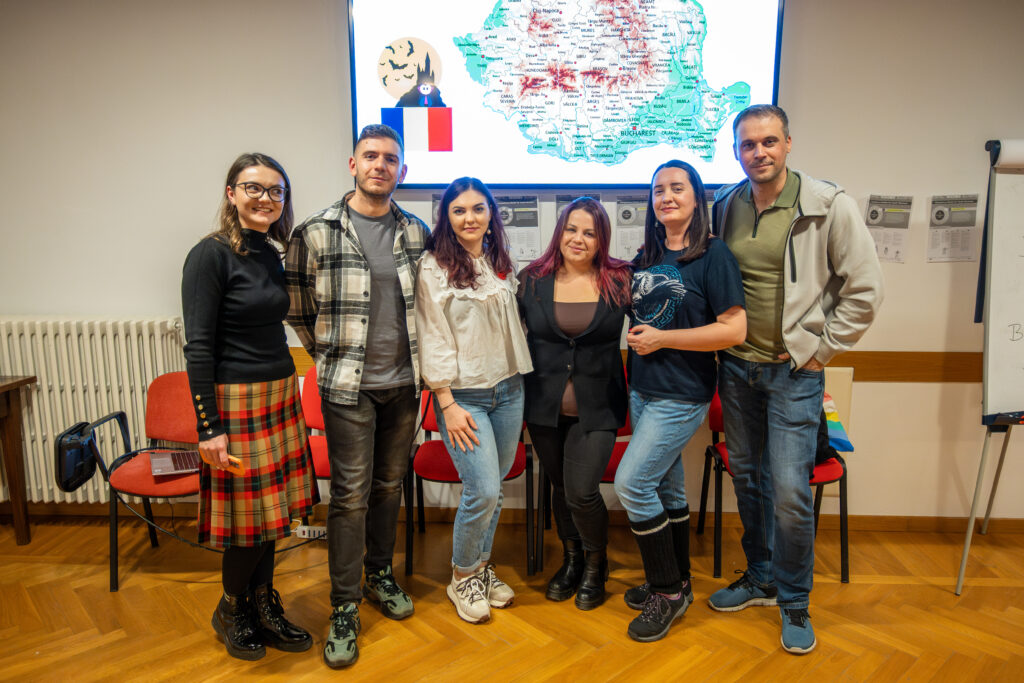
So, a heartfelt thank you to the Romanian team of skilful and dedicated trainers – Elena Motoc, Ana Mitruț & Alexandru Arhire, who also documented our learning experience by taking most of these amazing group pictures in the article.
Deep gratitude to all participants for their commitment, contributions and joy, keeping the flow going and the motivation high level throughout the whole week of this program. There was some serious intercultural inspiration as well – starting with the Spanish flamenco moves and the Polish laughs, then the Albanian celebration of life and the Italian slow living style. I feel each country brought their best energy at the table, unlocking the best in all of us too!
Thoughts of gratitude to our organiser Mirsad Halilaj (Global Circle NGO) and location hosts Lucia, Fatima, Stefania and Giovanni from Oasi di Erba in Italy who took care of our well-being while travelling and working on this project (Feb 14-21, 2026). And to the partnering organisations that made this learning experience possible for us: HASTE (Albania), Fundacja 108 (Poland), Asociația EcoChallenge (Romania) and La Libellula (Spain).
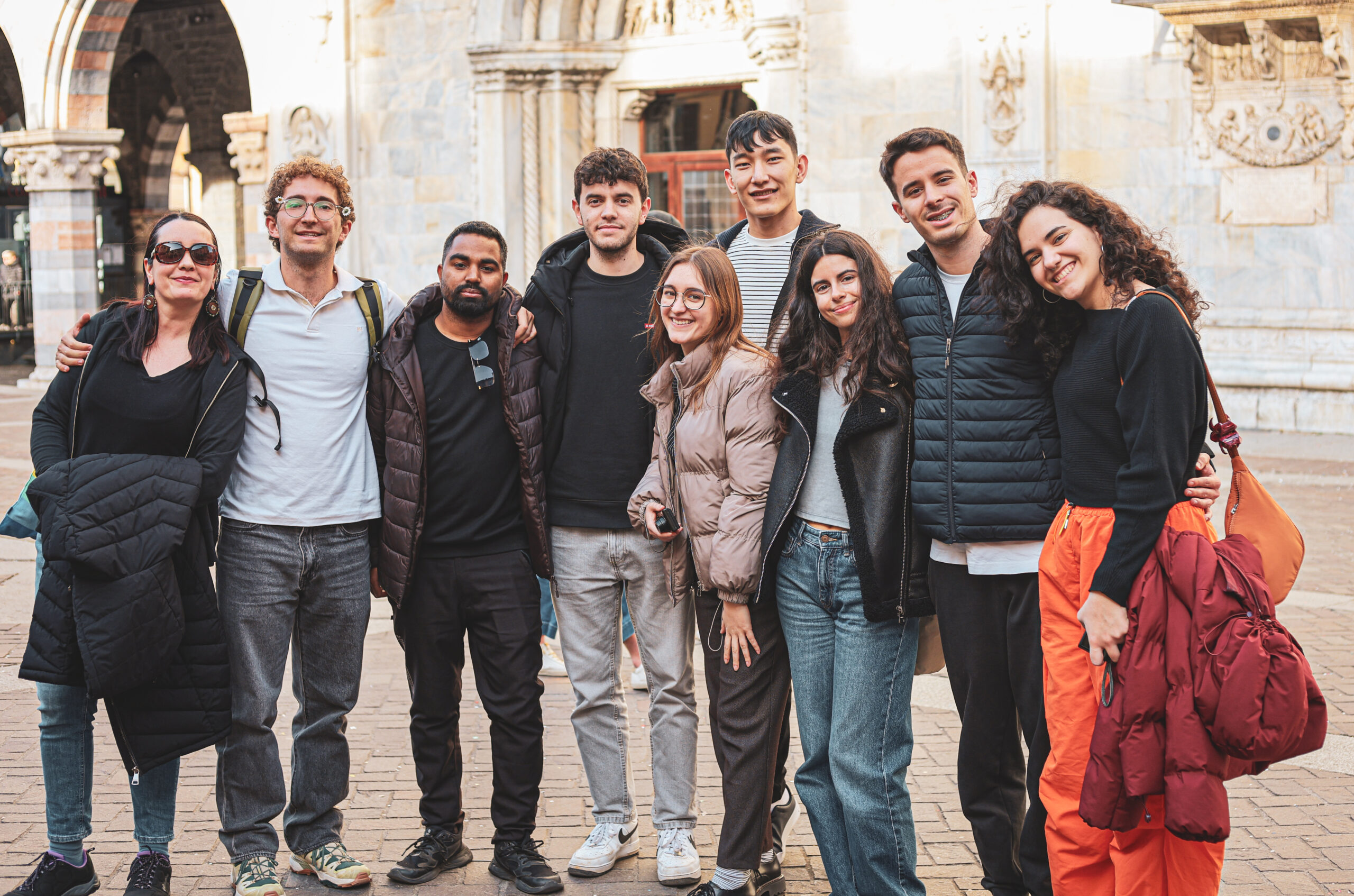
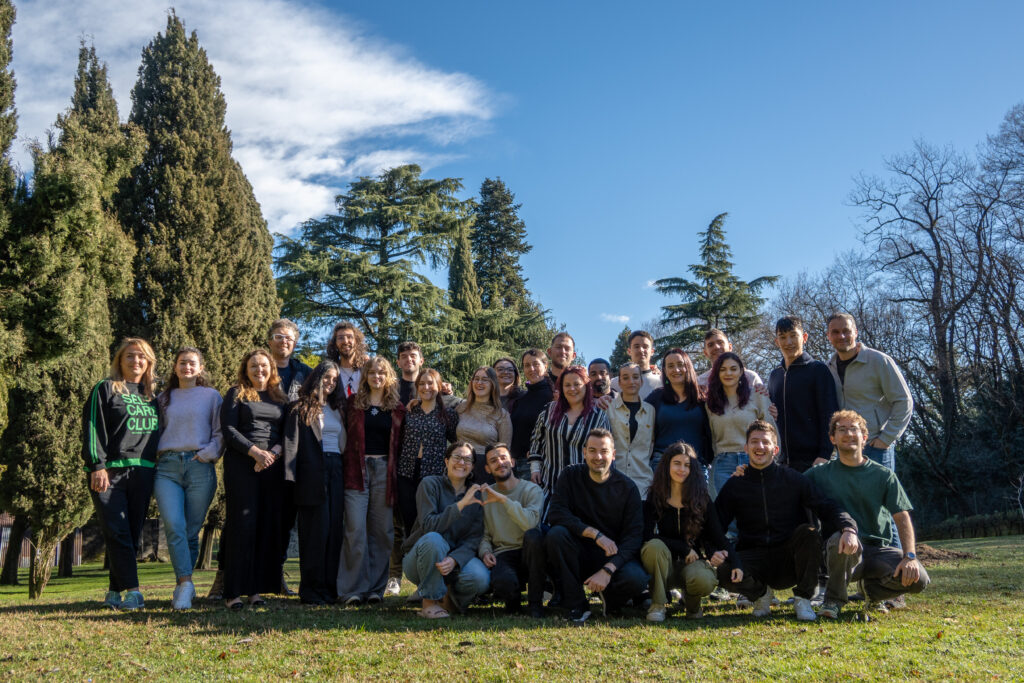
After reading this article, if you still question whether to join Erasmus+ projects or not, please watch the video made by Javokhir Safartoshev from Team Poland – hard not to get you convinced!
